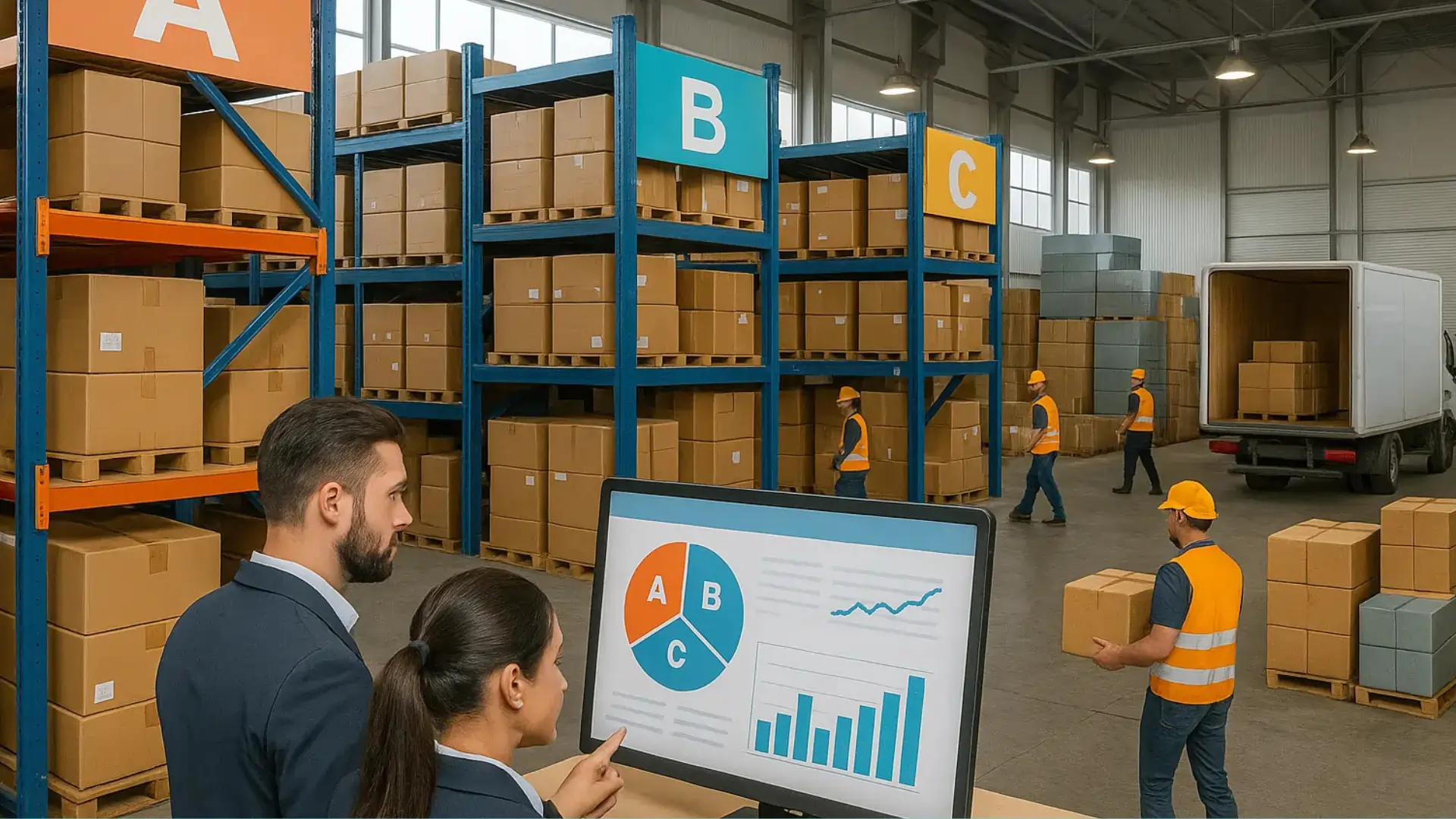
ABC Analysis in Inventory Management
ABC analysis in inventory management is one of the most effective methods for maintaining control, minimizing costs, and improving efficiency. It helps businesses identify which products have the greatest impact on revenue and which require minimal attention. Even with modern ERP and AI-based tools, ABC analysis remains a simple and powerful approach for optimizing inventory and improving overall profitability.
Even in a technology-driven environment, ABC analysis continues to be essential because it is practical, data-driven, and cost-efficient.
● It provides a clear framework for inventory prioritization.
● It supports decision-making in both manual and automated inventory systems.
● It helps small and large businesses maintain control without complex software.
● It complements modern ERP systems as a foundation for automation and forecasting.
ABC analysis gives managers quick insights into which items affect performance and which require minimal oversight.
What Is ABC Analysis in Inventory Management?
ABC analysis categorizes inventory into three groups based on their value and importance:
● A Items: High-value, low-volume products that contribute most to total revenue.
● B Items: Medium-value products that require balanced attention.
● C Items: Low-value, high-volume products that have minimal financial impact.
This classification helps companies focus on the items that matter most, ensuring efficient use of time, resources, and storage space.
How ABC Analysis Works
ABC analysis is based on the Pareto Principle (80/20 rule) — 20% of products usually account for 80% of total consumption value. Businesses use this concept to rank inventory by importance and set management priorities.
Typical classification:
● A Items: 20% of inventory → 70–80% of total value
● B Items: 30% of inventory → 15–20% of total value
● C Items: 50% of inventory → 5–10% of total value
This structure allows managers to concentrate on critical items that directly affect business performance.
Benefits of ABC Analysis
1. Better Inventory Control
Helps maintain optimal stock levels of high-value items and prevents overstocking of low-value products.
2. Cost Reduction
Reduces holding and storage costs by focusing investment on high-impact products.
3. Efficient Resource Allocation
Ensures manpower, warehouse space, and funds are used effectively for items that generate higher returns.
4. Accurate Demand Forecasting
Improves forecasting accuracy by focusing on key items that drive the majority of revenue.
5. Stronger Supplier Management
Allows better negotiation and delivery planning for A-category products while simplifying procurement for C-category items.

Why ABC Analysis Still Matters
Even in a technology-driven environment, ABC analysis continues to be essential because it is practical, data-driven, and cost-efficient.
● It provides a clear framework for inventory prioritization.
● It supports decision-making in both manual and automated inventory systems.
● It helps small and large businesses maintain control without complex software.
● It complements modern ERP systems as a foundation for automation and forecasting.
ABC analysis gives managers quick insights into which items affect performance and which require minimal oversight.
Steps to Implement ABC Analysis
1. Collect Data: Gather information on product cost, usage, and demand.
2. Calculate Annual Consumption Value: Multiply usage by cost per unit.
3. Rank Items: List all products from highest to lowest total value.
4. Classify:
○ A: Top 20% of items (70–80% of value)
○ B: Next 30% (15–20% of value)
○ C: Remaining 50% (5–10% of value)
5. Set Controls:
○ A Items: Frequent monitoring
○ B Items: Periodic review
○ C Items: Basic control measures
Conclusion
ABC analysis in inventory management remains a fundamental strategy for efficient stock control and decision-making. It enables businesses to focus on high-value items, improve resource allocation, and achieve higher profitability.
Even with advanced technologies, the principles of ABC analysis continue to guide Effective inventory management — helping organizations reduce waste, optimize processes, and make smarter operational decisions.