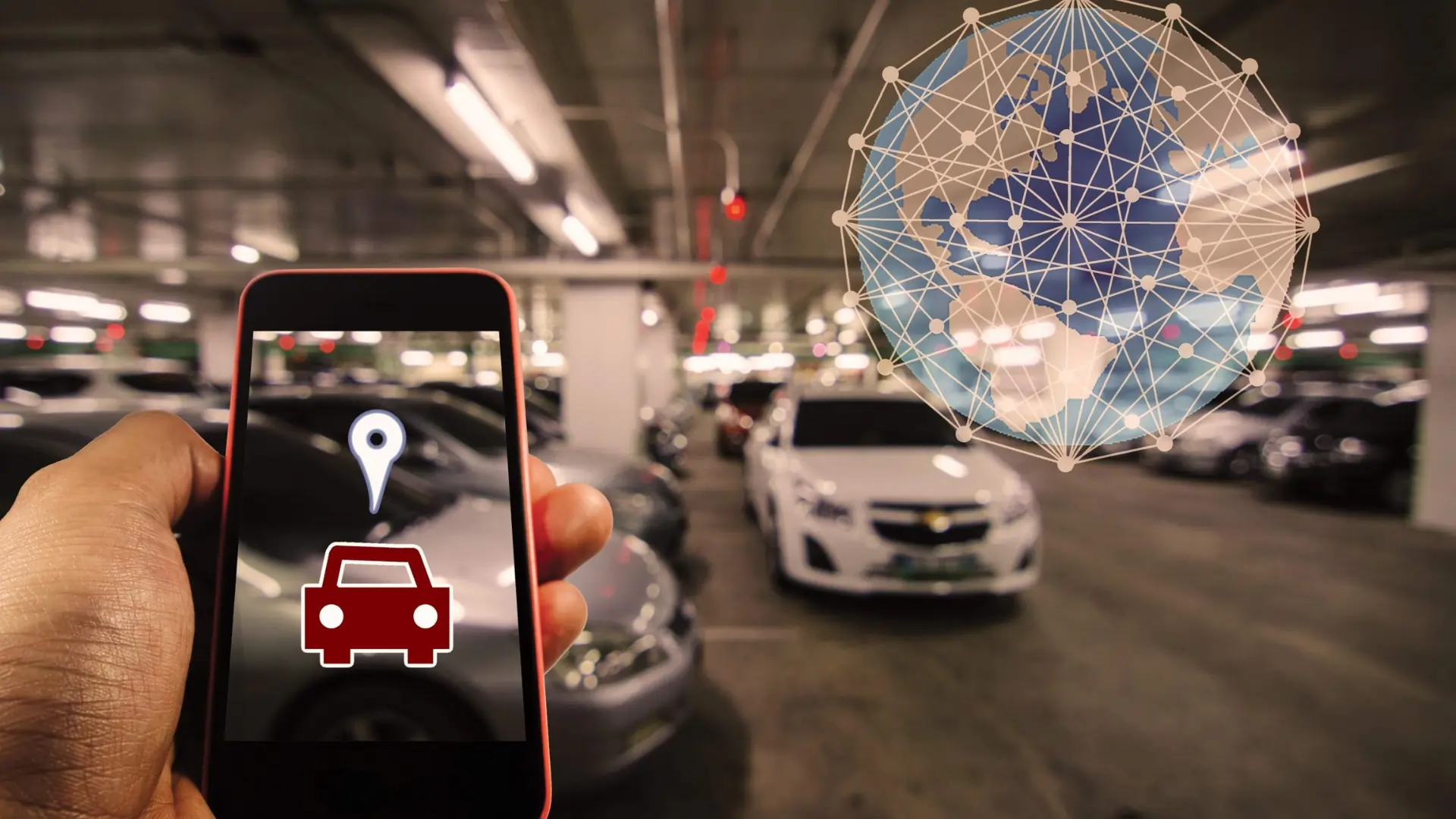
Smart Parking Solutions
Urban congestion is a growing challenge, and the search for parking spots contributes significantly to traffic woes. IoT-enabled smart parking solutions are emerging as a game-changer, transforming the parking experience for both drivers and city planners. By leveraging real-time data and automation, these solutions are optimizing parking space utilization, reducing congestion, and enhancing the overall efficiency of urban mobility.
The Challenges of Traditional Parking Systems
- Inefficient Space Utilization: Drivers struggle to find available parking spaces, leading to wasted time and fuel.
- Congestion: The search for parking contributes significantly to traffic congestion, especially in urban areas.
- Limited Real-Time Information: Drivers lack access to real-time information about parking availability.
- Manual Payment Systems: Traditional payment methods can be inconvenient and time-consuming.
- Environmental Impact: Increased fuel consumption and emissions from circling drivers.
How IoT is Transforming Parking
IoT-enabled smart parking solutions are addressing these challenges by providing:
Real-Time Parking Space Availability
- Sensors embedded in parking spaces detect occupancy and transmit real-time data to a cloud-based platform.
- Drivers can access this information through mobile apps or digital displays, allowing them to locate available parking spaces quickly.
Navigation and Guidance
- Mobile apps provide turn-by-turn navigation to available parking spaces.
- Digital displays guide drivers to specific parking lots or garages with available spaces.
Dynamic Pricing and Reservation Systems
- Smart parking systems can implement dynamic pricing based on demand, time of day, and location.
- Drivers can reserve parking spaces in advance through mobile apps, ensuring a guaranteed spot.
Automated Payment Systems
- Mobile apps enable contactless payment for parking, eliminating the need for cash or physical tickets.
- Automatic license plate recognition (ALPR) systems can automate entry and exit from parking facilities.
Data Analytics and Reporting
- IoT platforms collect and analyze parking data, providing insights into parking utilization, traffic patterns, and user behavior.
- City planners can use this data to optimize parking infrastructure and improve traffic management.
Integrated Smart City Platforms
- Smart parking solutions can be integrated with other smart city initiatives, such as traffic management systems and public transportation.
- This enables a holistic approach to urban mobility.
Benefits of IoT-Enabled Smart Parking
- Reduced Congestion: Real-time parking availability and navigation reduce the time spent searching for parking.
- Improved Driver Experience: Drivers can quickly locate and reserve parking spaces, enhancing convenience.
- Optimized Parking Space Utilization: Dynamic pricing and reservation systems maximize the use of available parking spaces.
- Reduced Fuel Consumption and Emissions: Efficient parking management minimizes fuel consumption and greenhouse gas emissions.
- Increased Revenue for Parking Operators: Dynamic pricing and automated payment systems can increase revenue.
- Enhanced City Planning: Data analytics and reporting provide valuable insights for urban planning and traffic management.
Challenges and Considerations
- Sensor Reliability and Accuracy: Ensuring the reliability and accuracy of parking sensors is crucial.
- Data Security and Privacy: Protecting sensitive data, such as location and payment information, is paramount.
- Connectivity: Reliable internet connectivity is essential for data transmission.
- Cost of Implementation: Implementing smart parking solutions can require significant upfront investment.
- Integration with Existing Infrastructure: Integrating IoT devices with existing parking systems can be challenging.
The Future of Smart Parking
As IoT technologies continue to advance, we can expect to see:
- Increased adoption of AI and machine learning for predictive analytics and optimization.
- Greater integration of smart parking with autonomous vehicles and electric vehicle charging infrastructure.
- Development of more sophisticated and affordable smart parking solutions for small and medium-sized cities.
- Expansion of smart parking applications to new areas, such as residential and commercial buildings.
By embracing IoT-enabled smart parking solutions, cities can create a more efficient, convenient, and sustainable urban mobility experience