
Fleet Maintenance for Cost Efficiency
For businesses relying on a fleet of vehicles, whether it’s trucks, vans, or cars, effective fleet maintenance is more than just a routine task, it’s a strategic investment in cost efficiency. Neglecting maintenance can lead to a cascade of problems, from unexpected breakdowns and increased fuel consumption to shortened vehicle lifespans and safety hazards. A well-maintained fleet not only ensures operational continuity but also significantly impacts the bottom line.
Understanding the Cost of Neglected Maintenance
The consequences of neglecting fleet maintenance can be substantial:
- Increased Fuel Consumption: Poorly maintained vehicles, with issues like underinflated tires or clogged air filters, consume more fuel. This translates to higher operating costs.
- Unexpected Breakdowns: Lack of preventive maintenance increases the likelihood of breakdowns, leading to costly repairs, downtime, and missed deliveries.
- Shortened Vehicle Lifespan: Regular maintenance extends the lifespan of vehicles, maximizing your investment. Neglecting maintenance leads to premature wear and tear, forcing early replacements.
- Higher Repair Costs: Minor maintenance issues, if left unchecked, can escalate into major, expensive repairs.
- Downtime and Lost Productivity: Vehicle downtime disrupts operations, delays deliveries, and reduces productivity.
- Safety Hazards: Poorly maintained vehicles pose safety risks to drivers and others on the road, potentially leading to accidents and liability issues.
- Decreased Resale Value: Vehicles with inconsistent or poor maintenance history typically have significantly reduced resale value and buyer appeal.
Benefits of Proactive Fleet Maintenance
Implementing a proactive fleet maintenance program offers numerous benefits:
- Reduced Operating Costs: Regular maintenance minimizes fuel consumption, repair costs, and downtime.
- Improved Vehicle Reliability: Proactive maintenance reduces the risk of breakdowns and ensures vehicles are always ready for operation.
- Extended Vehicle Lifespan: Regular maintenance extends the lifespan of vehicles, maximizing your investment.
- Enhanced Safety: Properly maintained vehicles are safer to operate, reducing the risk of accidents.
- Increased Productivity: Reliable vehicles and minimal downtime ensure smooth operations and increased productivity.
- Improved Fuel Efficiency: Regular tune-ups, tire maintenance, and other maintenance tasks optimize fuel efficiency.
- Better Resale Value: Vehicles with a documented maintenance history have a higher resale value.
- Compliance with Regulations: Regular maintenance ensures compliance with safety and environmental regulations.
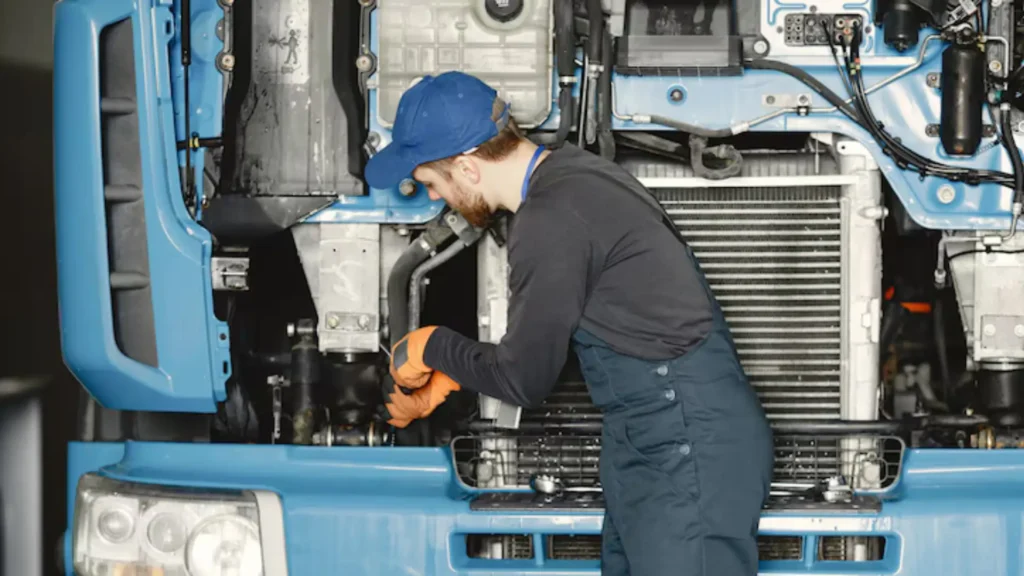
Strategies for Effective Fleet Maintenance
- Develop a Preventive Maintenance Schedule: Create a schedule for regular maintenance tasks, such as oil changes, tire rotations, and inspections.
- Utilize Fleet Management Software: Implement GPS tracking in fleet management, fleet management software to track maintenance schedules, monitor vehicle performance, and generate reports.
- Conduct Regular Inspections: Perform regular inspections of vehicles to identify potential issues early on.
- Train Drivers on Vehicle Maintenance: Educate drivers on basic vehicle maintenance tasks, such as checking fluid levels and tire pressure.
- Maintain Accurate Records: Keep comprehensive records of all maintenance activities, noting dates, performed tasks, parts used, and costs to ensure compliance and track vehicle performance over time.
- Partner with Reliable Maintenance Providers: Choose reputable maintenance providers with experience in servicing your fleet vehicles.
- Implement Telematics: Use telematics to track vehicle performance, monitor driver behavior, and identify maintenance needs.
- Prioritize Safety: Always make safety the top priority during all maintenance activities to protect drivers, technicians, and ensure vehicle reliability.
- Budget for Maintenance: Allocate adequate funds in advance to cover both routine maintenance and unexpected repairs, ensuring uninterrupted fleet operations and cost control.
- Regularly Review and Optimize: Routinely review your maintenance program, and optimize it for best cost efficiency.
Conclusion
Fleet maintenance is not an expense, but an investment in cost efficiency. By implementing a proactive maintenance program, businesses can reduce operating costs, improve vehicle reliability, enhance safety, and maximize their return on investment. In today’s competitive business environment, a well-maintained fleet is essential for success and long-term operational sustainability across all transportation activities.